


Essential Home Buying Tips for 2026
Buying a home is a big step. It can feel exciting and overwhelming at the same time. In 2026, the housing market is changing, and it’s important to be prepared. Whether you’re a first-time buyer or looking to move along the beautiful Oregon Coast, these essential tips will help you make smart choices. I’ll share practical advice that’s easy to follow and will guide you through the process smoothly.
Essential Home Buying Tips to Keep in Mind
First, let’s talk about the basics. Knowing what to expect can save you time and stress. Here are some key points to focus on:
Get your finances in order. Check your credit score and clean up any errors. Lenders will look closely at your financial health.
Save for a down payment. The more you can put down, the better your mortgage terms will be.
Understand your budget. Don’t just think about the price of the home. Factor in taxes, insurance, and maintenance.
Get pre-approved for a mortgage. This shows sellers you’re serious and ready to buy.
Work with a local real estate agent. Someone who knows the Oregon Coast market can help you find the best deals and avoid pitfalls.
These steps are the foundation of a successful home purchase. They help you move confidently and avoid surprises.
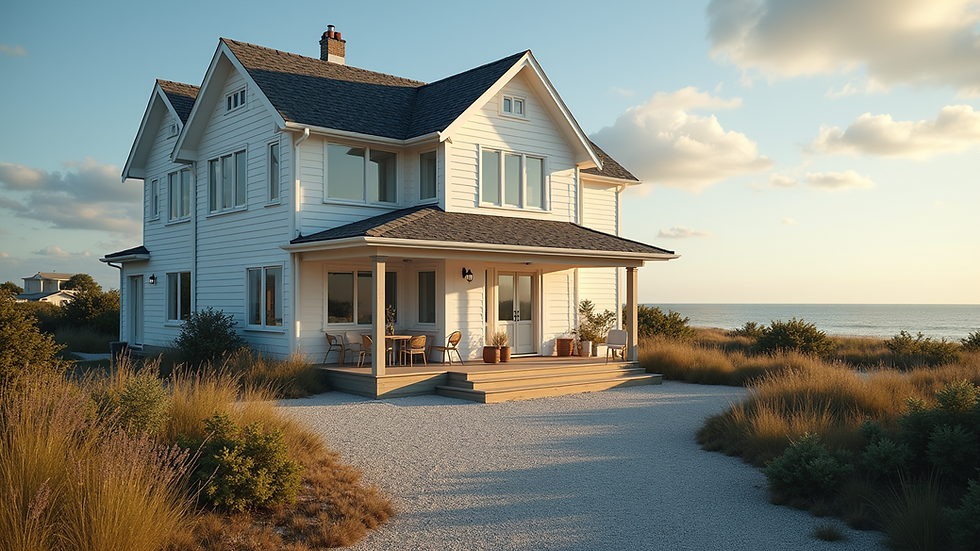
How to Choose the Right Home for You
Finding the perfect home means knowing what you want and what you can afford. Here’s how to narrow down your options:
List your must-haves and nice-to-haves. Think about the number of bedrooms, yard size, and proximity to schools or work.
Consider the neighborhood. Safety, amenities, and future development plans matter.
Think about resale value. Even if you plan to stay long-term, a home that holds its value is a smart investment.
Visit multiple homes. Don’t settle on the first one. Seeing different properties helps you understand the market.
Inspect carefully. Look for signs of damage, needed repairs, and overall condition.
Remember, a home is more than just a building. It’s where you’ll create memories. Take your time to find a place that feels right.
Navigating the Home Buying Process
The process can seem complex, but breaking it down helps. Here’s a simple overview:
Make an offer. Your agent will help you decide on a fair price based on market data.
Negotiate terms. This can include price, closing date, and what stays with the home.
Schedule a home inspection. This is crucial to uncover any hidden issues.
Secure your mortgage. Finalize your loan with your lender.
Close the deal. Sign the paperwork, pay closing costs, and get your keys.
Each step requires attention and patience. Don’t hesitate to ask questions or seek advice.

Tips for Buying a Home on the Oregon Coast
The Oregon Coast has unique features that affect home buying. Here’s what to keep in mind:
Weather and maintenance. Coastal homes face salt air and moisture, which can cause wear. Check for rust, mold, and proper sealing.
Flood zones and insurance. Some areas may require special flood insurance. Ask your agent about this.
Local market trends. The Oregon Coast market can be competitive. Stay updated on pricing and inventory.
Community and lifestyle. Think about your daily life - access to beaches, shops, and outdoor activities.
Work with a local expert. A knowledgeable agent can guide you through local regulations and opportunities.
These tips will help you find a home that fits your lifestyle and stands up to the coastal environment.
Smart Financial Moves When Buying a Home
Money matters a lot in home buying. Here are some smart financial tips:
Avoid new debt. Don’t open credit cards or take loans before closing.
Keep your job stable. Lenders want to see steady income.
Understand closing costs. These can add up to 2-5% of the home price.
Look for assistance programs. There are grants and loans for first-time buyers and veterans.
Plan for emergencies. Have a reserve fund for unexpected repairs or expenses.
Being financially prepared makes the process smoother and less stressful.
Moving Forward with Confidence
Buying a home in 2024 is a journey. It takes planning, patience, and the right support. By following these essential tips, you’ll be ready to make smart decisions. Remember, every step you take brings you closer to your dream home on the Oregon Coast.
If you want more detailed advice, check out these home buyer tips 2024. They offer great insights tailored to this year’s market.
Happy house hunting! Your perfect home is waiting.


Thinking about making particle physics approachable, I find the smaller practical questions more interesting than a quick conclusion. An everyday analogy can help introduce an idea while still leaving room to explain its limits. It gives me a more concrete starting point for thinking about particle physics basics. I would be interested in a simple example, because it is often the ordinary details that make an idea memorable. Which comparisons make particle physics easier to picture without creating misconceptions?
There is something approachable about discussing discovering the cultural heritage of Lusatia through situations people can actually picture. Language and local stories can reveal connections that are easy to miss on a map. That is the kind of detail I would keep in mind while exploring Lusatian cultural heritage. A short discussion of an everyday example would make this easier for me to connect with, especially as someone still learning about the subject. How would you introduce regional heritage through a classroom project?
When it comes to connecting school learning with Wasilkow, I would rather understand one useful detail properly than rush through a long list of ideas. A project about nearby places can give students a shared starting point for research. This is why I would approach Wasilkow school community with a specific question rather than a fixed expectation. The part I would like to explore further is what happens when the idea meets a real situation with its own limitations. Which community questions could students investigate through interviews or observation?
My first thought about sharing cultures through language learning is that the everyday experience deserves as much attention as the larger explanation. An everyday conversation can reveal cultural habits that a vocabulary list cannot explain. Seen this way, European cultural exchange becomes a topic to explore rather than something to sum up too quickly. I can imagine different answers depending on the situation, so I would want to understand the context before drawing conclusions. What kinds of shared activities make an exchange feel meaningful?
What interests me about supporting the move into secondary school is how a broad idea becomes part of an ordinary day. New routines can take time to become familiar even when a student enjoys the lessons. It gives me a more concrete starting point for thinking about secondary school transition. I would probably come back to this question after trying to work through one concrete example rather than deciding immediately. Which parts of the school day need the clearest introduction for new students?